
Yellow Jersey
Thirty-four stages Merckx took from '69 to '75; a thousand riders have chased the yellow. It is the summit.

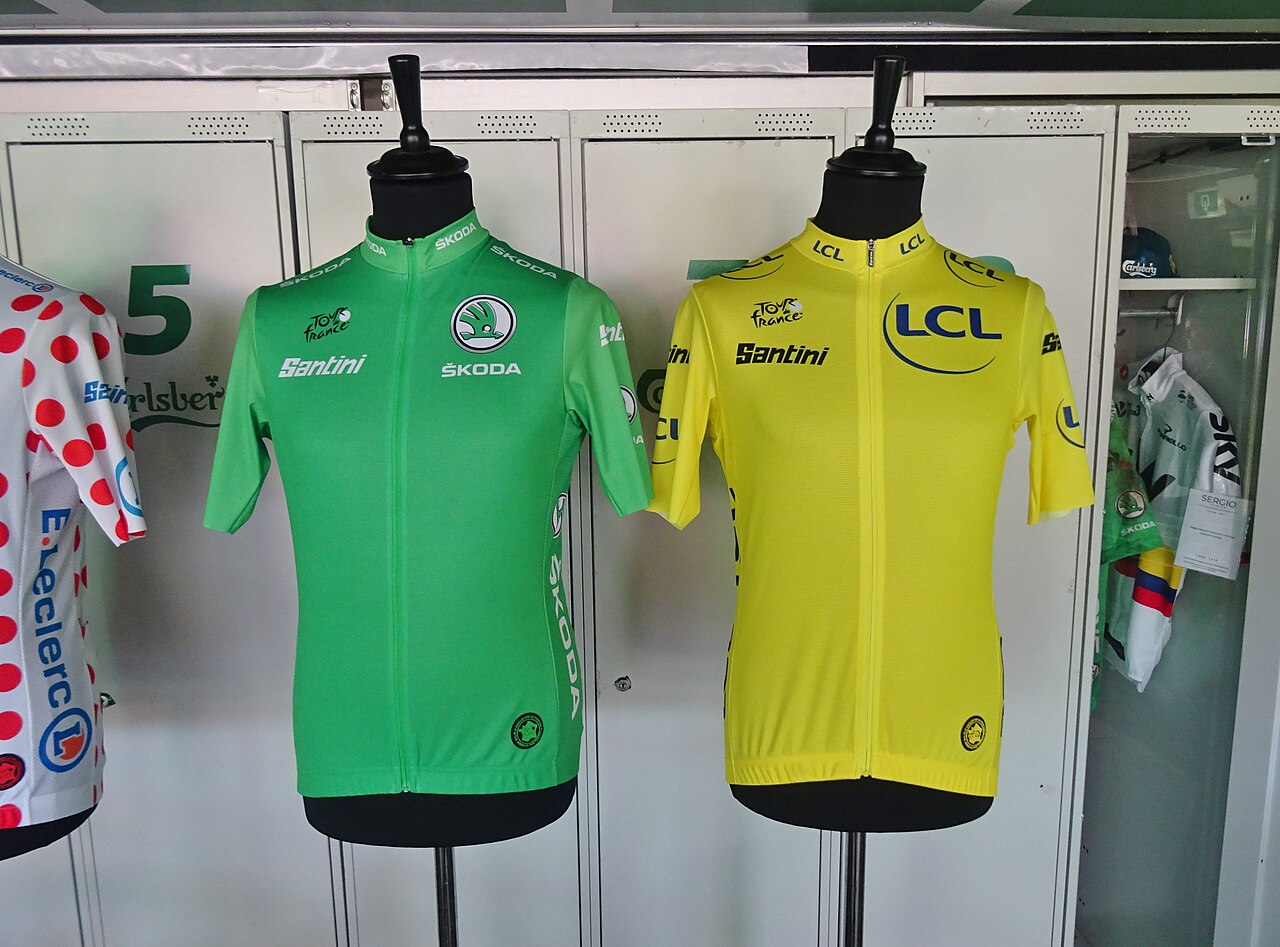
Ged Carroll from Hong Kong mostly, HKSAR · CC BY 2.0
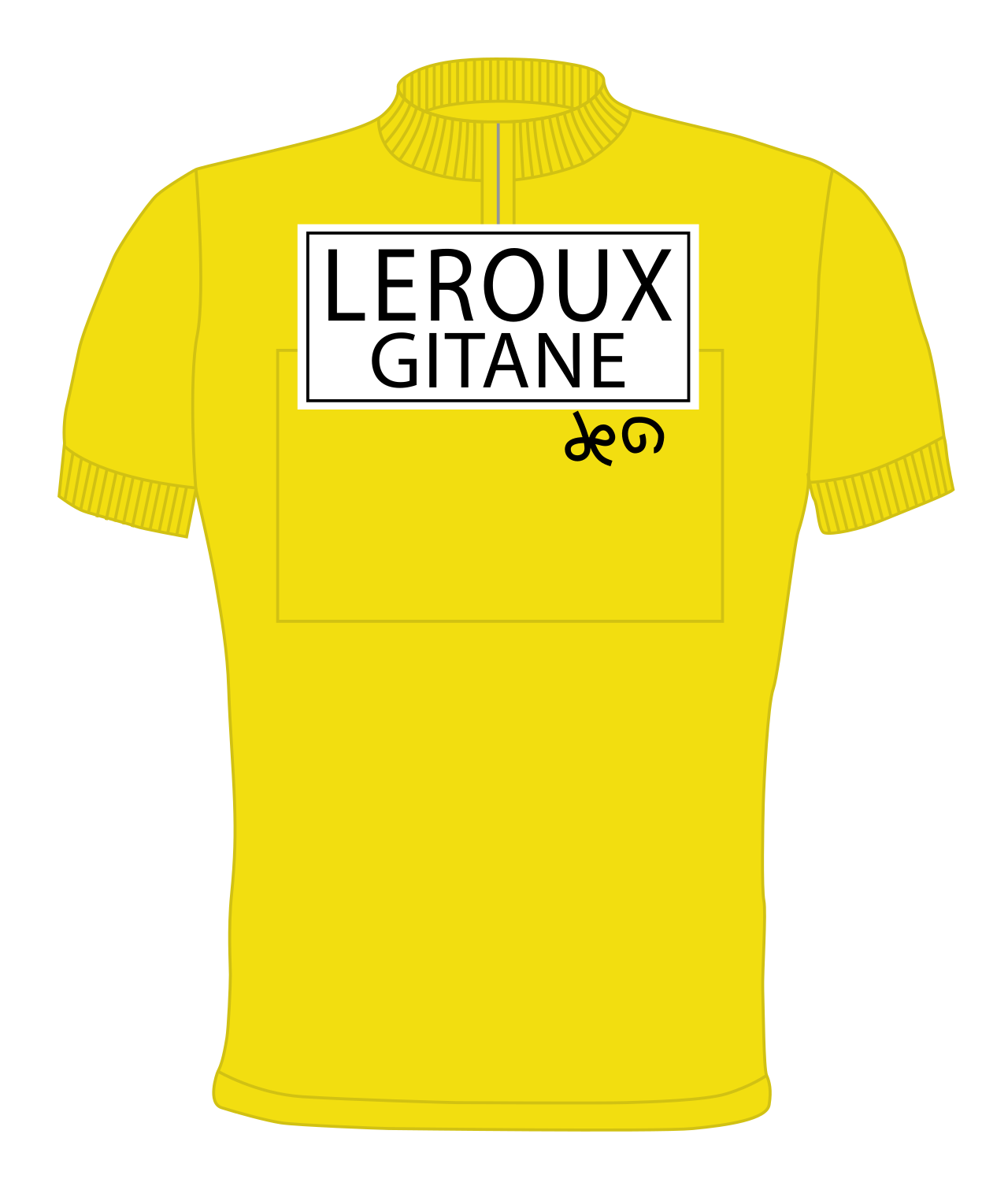
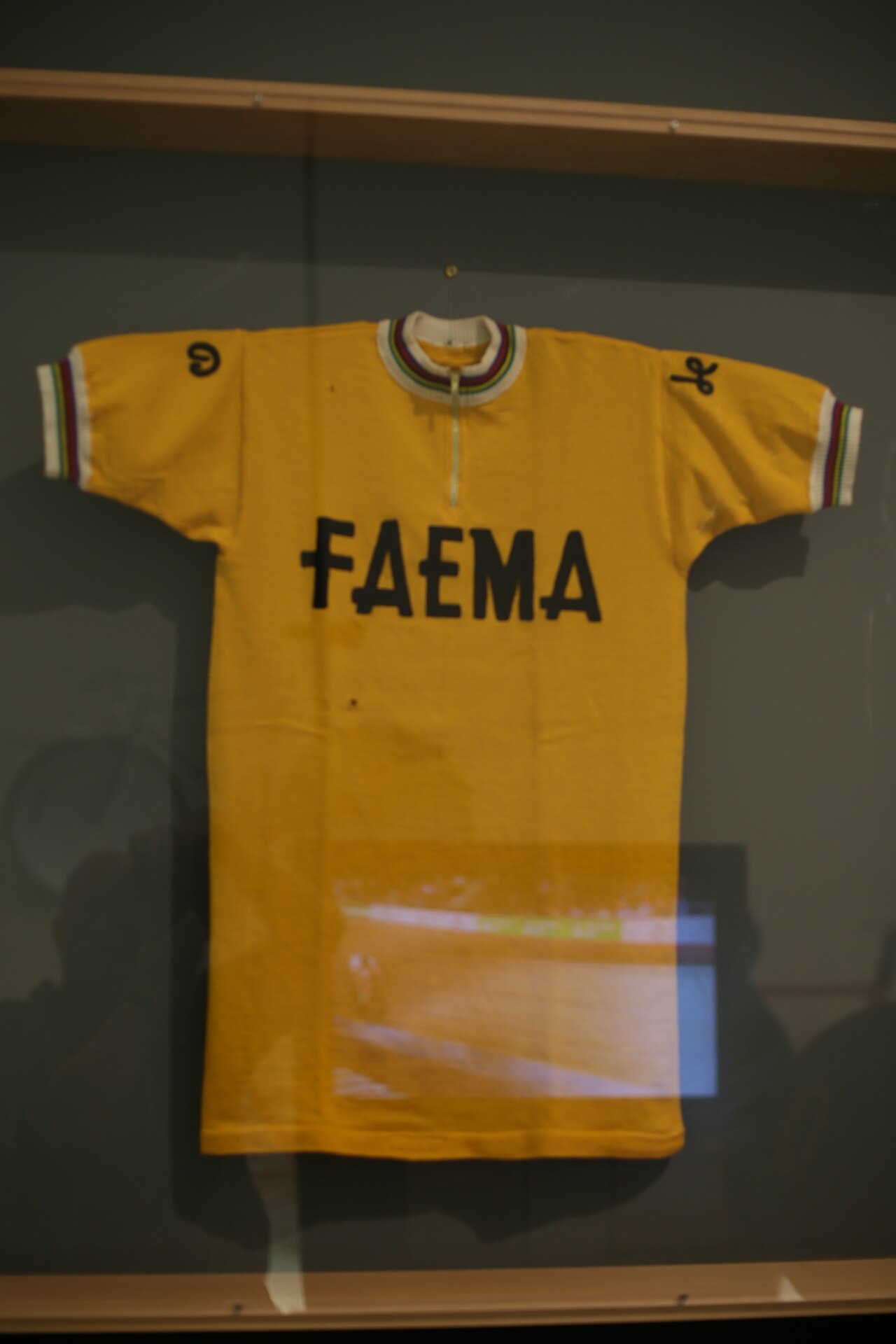
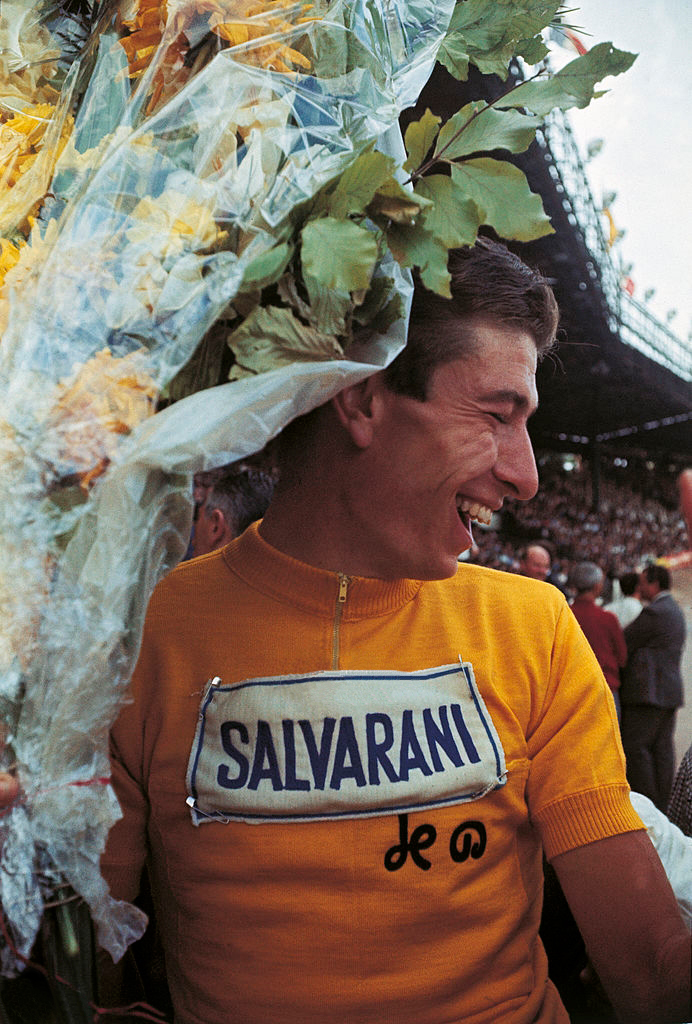
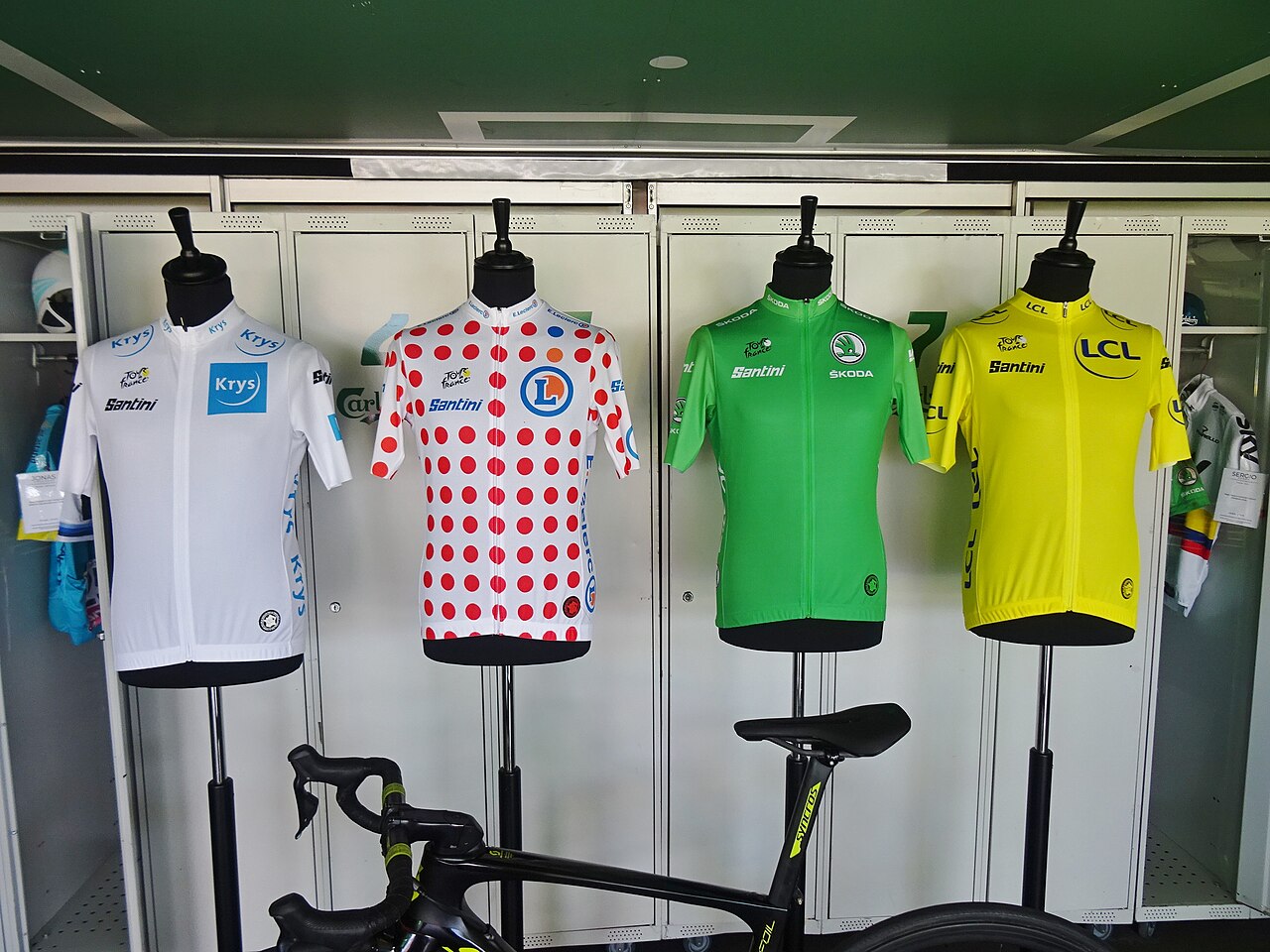
The Yellow Jersey—le maillot jaune—is the most iconic symbol in professional road cycling. Worn by the leader of the Tour de France's General Classification, it marks the rider with the lowest cumulative time across all stages. Introduced in 1919, the jersey transformed race leadership from a dry column of times into a vivid, almost sacred emblem that the entire peloton chases stage after stage. Born from the practical decision to match the yellow newsprint of L'Auto, the Tour's founding newspaper, the maillot jaune has since become synonymous with the pinnacle of two-wheeled endurance. To don it is to stand atop the sport's most grueling test; to lose it is to feel the full weight of a thousand kilometers of suffering fall back onto your shoulders.
- Most Tour stage wins (all-time record)
- Eddy Merckx (34, from 1969 to 1975)
Lore & Background
In the summer of 1919, the editors of L'Auto faced a small branding problem: how do you make the overall leader of a two-week race visible to a crowd of thousands lining the road? The answer was almost accidental. Their paper was printed on yellow stock, and so the jersey that Eugène Christophe slipped on after the 2nd stage of the 1919 Tour was dyed to match. No one expected it to outlast the war, outlast the newspaper's name change to L'Équipe, outlast every rider who has since sweated through it. The jersey became more than a timekeeping device. In the 1950s and 60s, riders like Fausto Coppi and Jacques Anquetil made it a personal throne, defending it across the Alps and Pyrenees with a ferocity that turned the Tour into a weekly saga. Then came Eddy Merckx, whose five Tour victories and 34 stage wins from 1969 to 1975 turned the yellow into something almost mythological—a color that, for a generation, was simply called 'the Merckx jersey' in the rooms where riders gathered after a stage. Today the maillot jaune is presented in a small ceremony at the finish of each stage, the leader standing on a podium above the crowd while the previous day's holder hands it over. The ritual is brief, but the silence it produces in the stands is not. Everyone in that crowd understands what the garment costs, and what it means to be the one wearing it when the Champs-Élysées finish line falls into view on the final Sunday.
In Their Own Story
The rain had stopped, but the road above Col du Tourmalet still glistened, and the peloton had been reduced to a handful of riders strung out like beads on a wet wire. The man in yellow—just a kid from a small town in the Ardennes, twenty-two, with a cut above his left eye that had opened on the cobbles three days ago—pulled off the front at the base of the final climb. He did not look back. He never did. Behind him, two riders in white-and-red kits chased, their breathing ragged, their legs burning in the cold mist. At the summit, the kid in yellow raised one hand, not in celebration, just to feel the air. The crowd on the side of the road, soaked and shivering, roared as if he had handed them something. He had. He had handed them the next two hours of hope.
Reader's Guide
The Yellow Jersey is awarded to the rider with the lowest cumulative elapsed time across all completed stages of the Tour de France. It is not a single-day prize; it is a rolling ledger of every second lost or gained over two weeks of racing. At the end of each stage, the rider who sits atop that general classification table is presented with the maillot jaune and wears it the following day. The classification rewards consistency as much as raw speed. A rider who is fastest on one stage but loses four minutes on the next will fall behind a rider who is merely competitive every day. This is why the jersey often changes hands on the flat stages of a week and then locks onto one dominant rider through the mountains. The all-time record for most Tour stage wins belongs to Eddy Merckx, who claimed 34 stages across his career in the 1960s. No rider has come close to matching that total in the decades since. The jersey's color—yellow—was chosen in 1919 to echo the newsprint of L'Auto, and that single editorial decision gave the sport its most recognizable symbol.
Did You Know?
- The yellow color was not a deliberate design choice but a practical one: it matched the yellow newsprint on which L'Auto, the Tour's founding newspaper, was printed.
- Eddy Merckx's record of 34 Tour de France stage wins, accumulated from 1969 to 1975, still stands as the all-time mark.
- The jersey is not worn continuously; it is presented at the end of each stage, and the leader of the next day's stage may be a different rider entirely.
Gallery

Frequently Asked Questions
What is the Yellow Jersey in the Tour de France?
The maillot jaune is the jersey worn by the rider who holds the lowest cumulative time across all completed stages in the General Classification. It is handed to that overall time leader at the end of each stage.
Why is the jersey yellow?
The color was picked to match the yellow newsprint of L'Auto, the newspaper that created the Tour. That 1919 branding choice turned a simple newspaper hue into one of cycling's most iconic symbols.
Who was the first rider to wear the Yellow Jersey?
Eugène Christophe was the inaugural wearer when the maillot jaune debuted in 1919. He became the first rider in the race's history to be identified visually as the General Classification leader.
How is the Yellow Jersey decided after each stage?
Once a stage finishes, all riders' stage times are added to their previous totals, and the person with the smallest cumulative time is named the overall leader. That rider then puts on the yellow jersey for the next stage.
Why is the Yellow Jersey considered the biggest prize in cycling?
It turned a dry column of times into a vivid, almost sacred emblem that the entire peloton chases stage after stage. Since 1919, thousands of riders have pursued it, making it the undisputed summit of two-wheeled endurance.
More in Records & Classifications
Related in Tour de France
Links follow this subject's own source article.
Elsewhere in the Tour de France universe
Spotted an error? Know more?
This is a living reference — every entry is fact-audited, and reader corrections feed straight into our audit queue. Suggest an edit · See this site's audit record