
Philippe Thys
Three-time Tour de France winner who overcame penalties and broken forks.

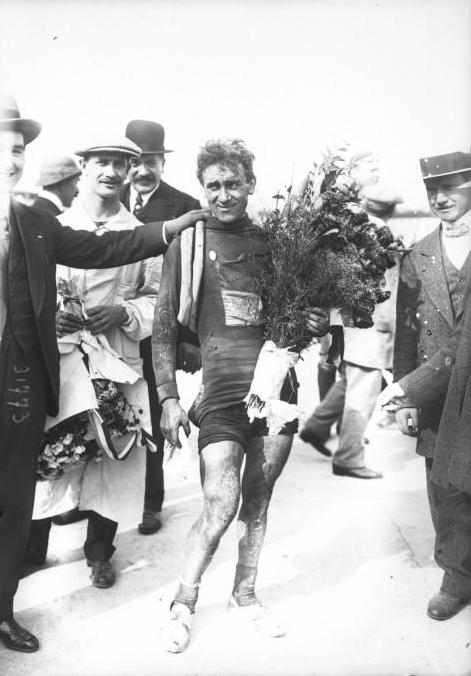
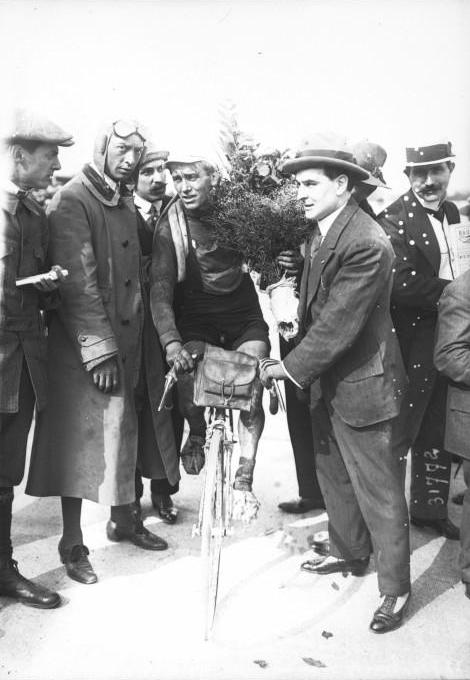
Agence Rol · Public domain
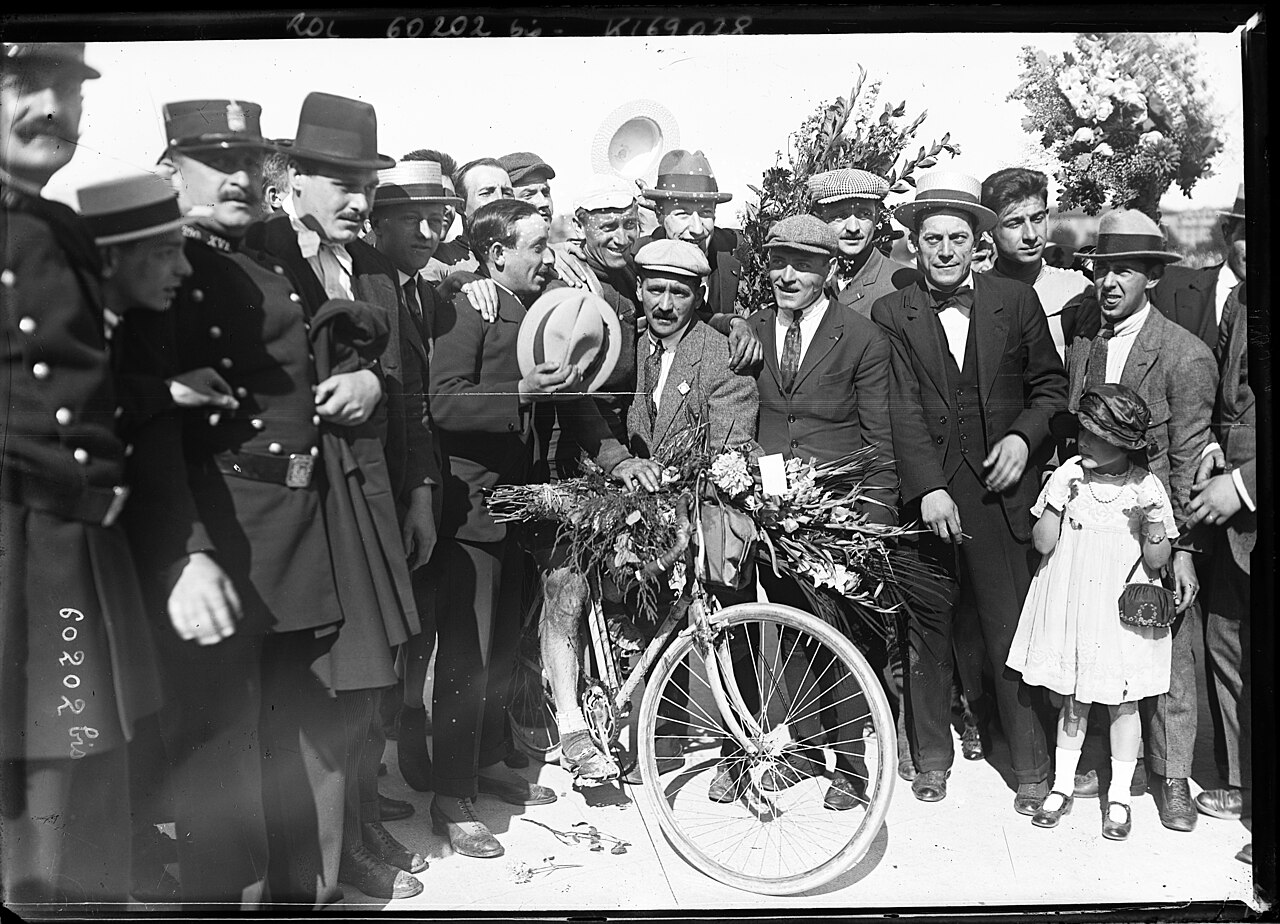
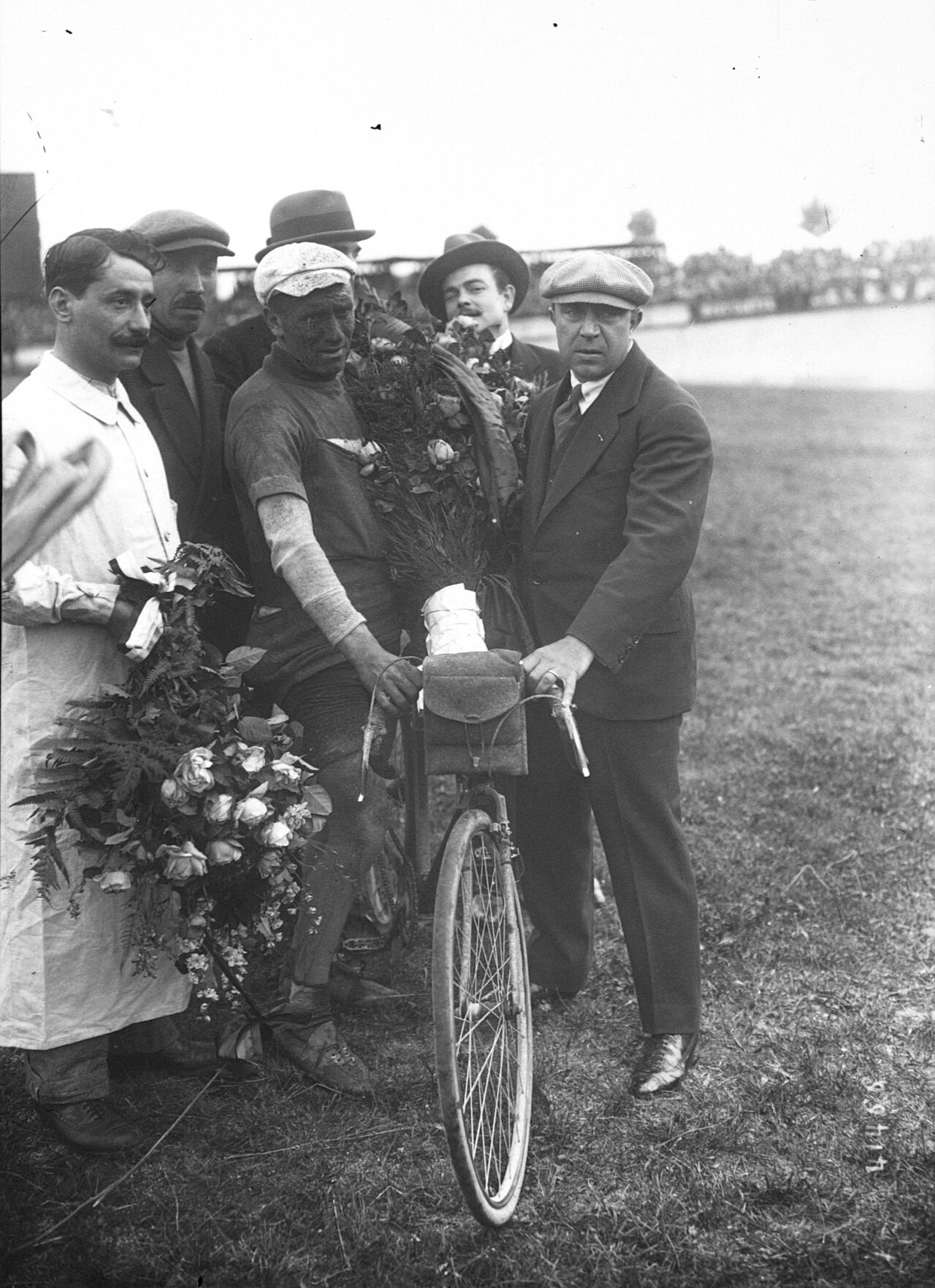
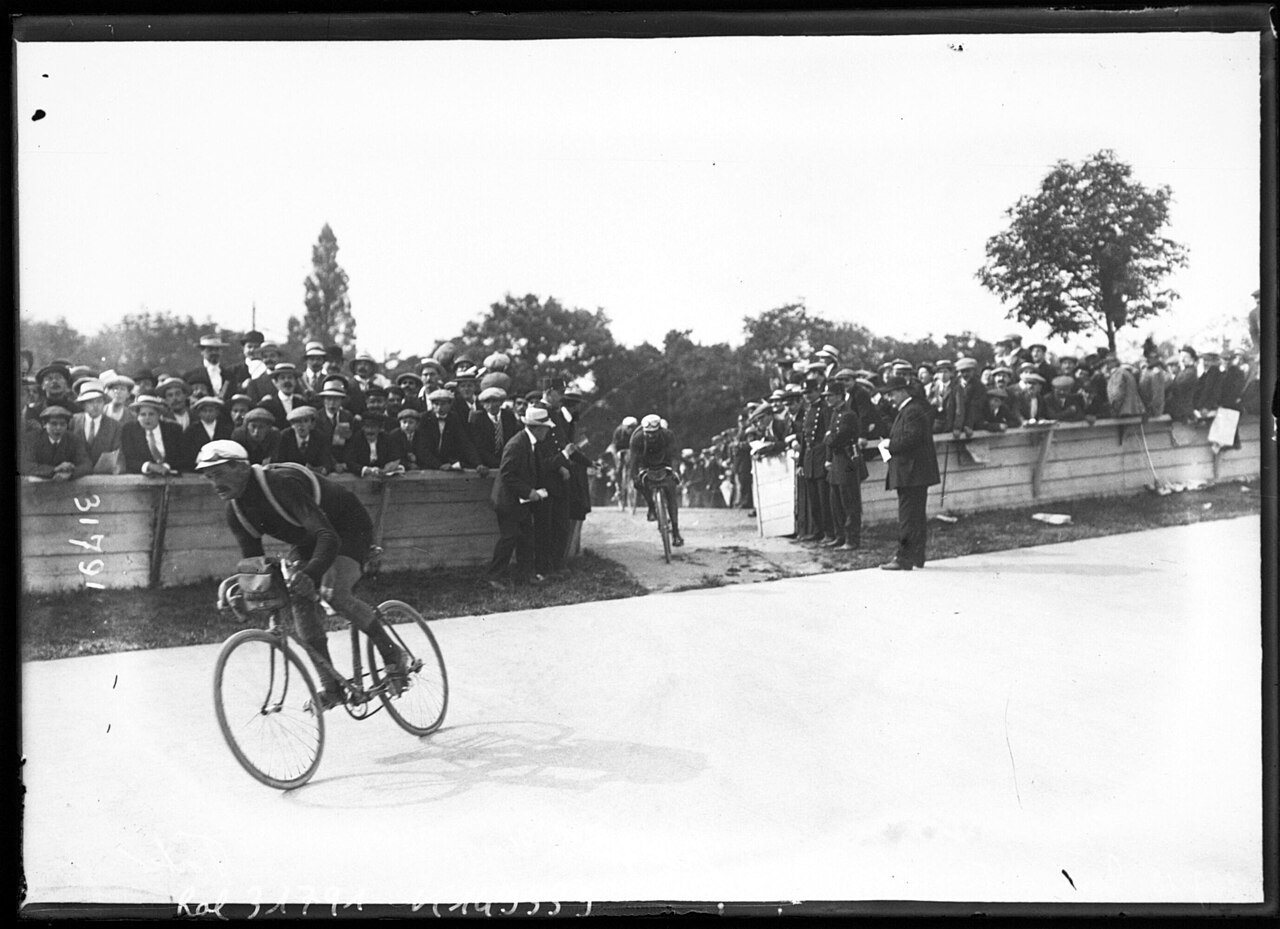
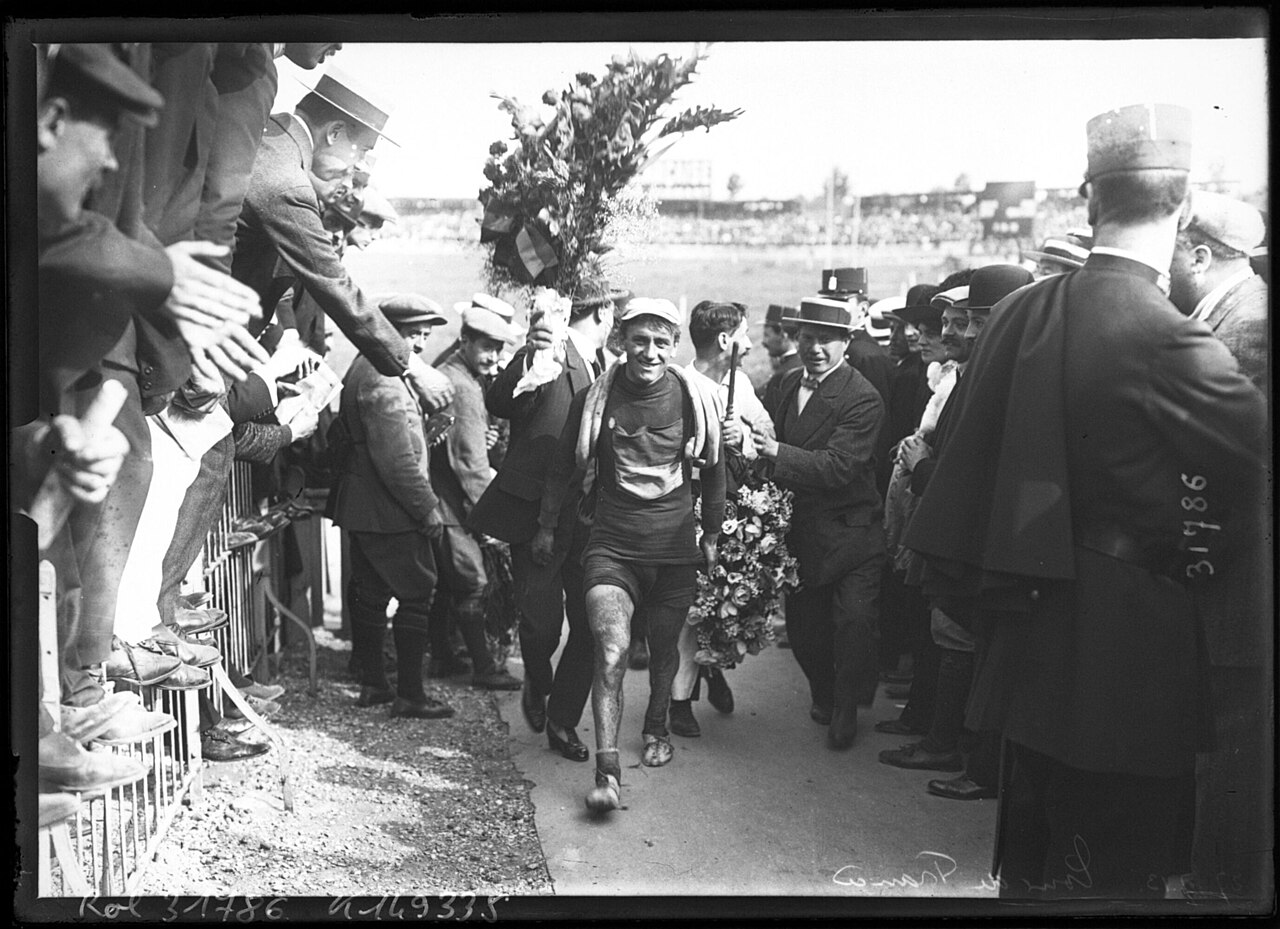
Philippe Thys (pronounced [fi.lip tis]; Dutch: Philippe Thijs; 8 October 1889 – 16 January 1971) was a Belgian cyclist and three times winner of the Tour de France. In 1910, Thys won Belgium's first national cyclo-cross championship. The following year he won the Circuit Français Peugeot, followed by stage races from Paris to Toulouse and Paris to Turin. He turned professional in 1912. Thys won the 1913 Tour despite a 10-minute penalty for receiving unauthorized help (being pushed by a teammate) after breaking his bicycle fork on stage 9, winning by just under nine minutes.
- Nationality
- Belgian
- Tour de France victory
- 1913
Verified Timeline
Lore & Background
Thys took the stage and the race lead in the 1913 Tour when Eugène Christophe broke his fork on the descent of the Col du Tourmalet on stage 6 and received a 10-minute penalty for receiving help from a boy to operate bellows at a blacksmith's. Marcel Buysse overtook Thys on stage 8. On stage 9 from Perpignan to Aix-en-Provence, Thys himself broke his fork and was penalized 10 minutes for illegal assistance (being pushed by a teammate) during the repair. Though he lost time, he retained the overall lead because his rivals also suffered setbacks. Drama continued when he fell on the penultimate stage from Longwy to Dunkirk. Despite being knocked out and being penalised for receiving a push from a spectator, he won 8 minutes and 37 seconds ahead of Gustave Garrigou, with Marcel Buysse second. In 1914, he won his first stage victory in the Tour, on stage 1 to Le Havre, but contrary to popular belief he did not lead from start to finish—he actually took the yellow jersey after stage 1 and held it through stage 2, then lost it briefly to Jean Rossius on stage 3 before regaining it on stage 4 and holding it to the end, despite a 30-minute penalty for receiving a push from a spectator on stage 14, the penultimate stage. His victory looked uncertain, his lead cut to less than two minutes ahead of Henri Pélissier. Ironically, on the final stage from Dunkirk to Paris, the Frenchman's supporters along the route who were expecting victory over the Belgian were the reason he was prevented from launching a breakaway. Pélissier won the stage by 1 minute 30 seconds, but Thys finished second to secure the Tour overall. In 1917, Thys won Paris–Tours and the Giro di Lombardia. In 1918, he also won the second and last edition of Tours–Paris, a one-day race that was discontinued after that year. After World War I, Thys won the Tour a third and final time in 1920. He led from the second stage, Henri Desgrange writing 'France is not unaware that, without the war, the crack rider from Anderlecht would be celebrating not his third Tour, but his fifth or sixth'. Not until 1955 did Louison Bobet equal Thys's record, and not until 1963 did Jacques Anquetil break it with four wins. Thys also rode in the 1922 Tour, winning five stages, and in the 1924 Tour, winning two stages.
In Their Own Story
The 1913 Tour de France was a race of broken forks and narrow margins. Thys broke his own fork and needed to find a bicycle shop to mend it. The repair cost him a 10-minute penalty, but he still won the whole race by just under nine minutes. Later, when Eugène Christophe broke his fork on the way to Luchon, Thys took the stage and the race lead—only to lose it the next day to Marcel Buysse. Then Thys himself broke another fork on the way to Nice, regaining the lead. On the penultimate stage from Longwy to Dunkirk, he fell, was knocked out, and was penalised for help from teammates to repair his bike. Still, he won the Tour by 8 minutes and 37 seconds over Gustave Garrigou. In 1914, he took his first stage victory, to Le Havre, and held the race from start to finish despite a 30-minute penalty for an unauthorised wheel change. His lead was cut to less than two minutes ahead of Henri Pélissier. On the final stage from Dunkirk to Paris, Pélissier's own supporters blocked him from launching a breakaway, and Thys finished on his wheel to win. After the war, Thys won his third Tour in 1920, leading from the second stage. Henri Desgrange wrote: 'France is not unaware that, without the war, the crack rider from Anderlecht would be celebrating not his third Tour, but his fifth or sixth.'
Reader's Guide
Thys's career was disrupted by the First World War. He won Paris–Tours and the Giro di Lombardia in 1917, and the second and last Tours–Paris in 1918. After retiring, he recalled that he had been asked by his manager, Alphonse Baugé, to wear a yellow jersey as leader of the Tour, although that distinction is more commonly attributed to Eugène Christophe. A velodrome, Piste Philippe Thys, exists in La Robertsau, Strasbourg, and a street, Rue Philippe Thys, in Strasbourg. He was introduced in the UCI Hall of Fame in 2002. Two books have been written about him: 'Van Thys tot Nys' by Luc Lamon and Mark van Hamme (2011) and 'Philippe Thys: de vergeten drievoudig tourwinnaar' by Johan Van Win (2014).
Did You Know?
- Thys won the 1913 Tour despite a 10-minute penalty for receiving a push from a teammate after breaking his fork on stage 9.
- He was knocked out in a fall on the penultimate stage of the 1913 Tour and was penalized for receiving a push from a spectator, but still won by 8 minutes and 37 seconds.
Gallery
Frequently Asked Questions
Who is Philippe Thys?
A Belgian road cyclist from the early 1910s, best remembered for his explosive, no-holds-barred racing style that made him a crowd favorite in the pre-war Tours.
What was Philippe Thys's nickname and where did it come from?
He was called "The Belgian Cannon" (Le Canon Belge) because his thunderous, all-out attacks left rivals scrambling and the crowd roaring.
When did Philippe Thys win the Tour de France?
He took the overall title in 1913, which remains the last Tour edition completed before the Great War silenced the peloton for four years.
What kind of rider was Philippe Thys?
He was a sprinter-attacker who favored raw, aggressive moves over careful tactical positioning, making his races thrilling to watch.
Why do fans still talk about Philippe Thys?
He symbolizes the raw, fearless era of the pre-1914 Tours, where riders attacked out of pure instinct and brute force rather than calculated strategy.
More in Race History
Related in Tour de France
Links follow this subject's own source article.
Elsewhere in the Tour de France universe
Spotted an error? Know more?
This is a living reference — every entry is fact-audited, and reader corrections feed straight into our audit queue. Suggest an edit · See this site's audit record